
Training was just a side effect
What happens to the children of the LLM?

When I started programming for money, someone senior reviewed everything I wrote. It was awesome, they went over my code with a fine-toothed comb, patiently explained what was wrong and I learned loads. My goal was just not to make the same mistake twice.
In the pre-AI world this worked just fine because I couldn’t produce enough bad code quick enough for the review process to break. All code needed to be reviewed anyway, and learning some stuff was a nice side effect.
We’re in a different world now. The web, Stackoverflow and now AI have made it easier to produce code on an industrial scale. This factory line approach to code now means that side effect of learning is disappearing.
This isn’t really about AI
It’s tempting to blame AI, and the timing is certainly convenient, but entry-level roles have been having a hard time for years.
The first thing to go was the graduate schemes.
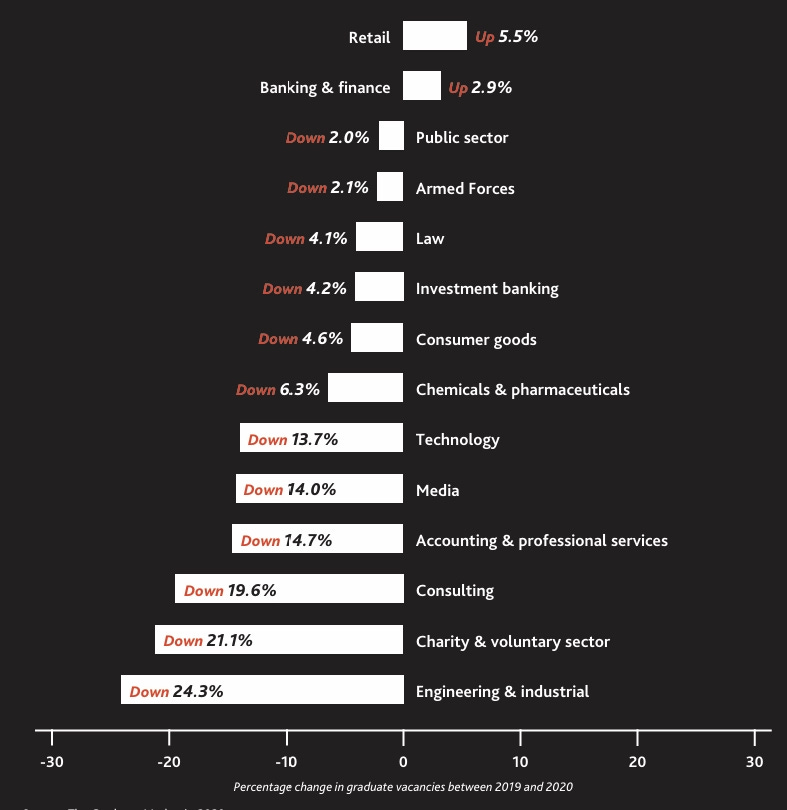
With the end of zero interest rates we’ve seen a spate of redundancies across the industry too. And now that AI has arrived, and we’ve got another argument for not keeping juniors around. Just ask claude instead.
I don’t have an answer to the question “are juniors doomed”. I think there’s a different question now - where does skill formation go?
There’s a couple of parallels to explore - pilots (where automation took over before AI) and surgery (where the cost of mistake is much higher).
How you make a pilot?
Automation came to planes much earlier than AI has come to software engineering. After a spate of accidents Warren Van Der Burgh coined the phrase “children of magenta” as newer pilots fly the automation more than the plane.
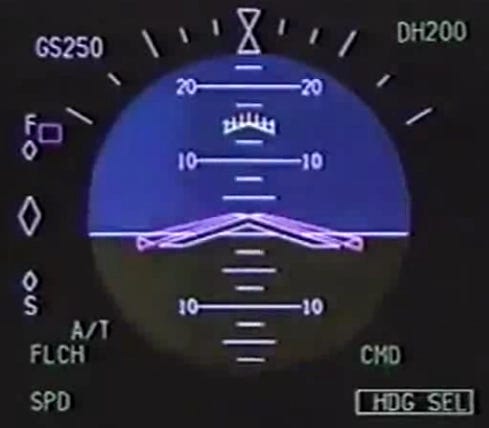
Automation removed the manual handling practice that used to exist. Over time the skill decayed until it started to show up in accident reports, and each time it does the industries response is to try and stop it happening again. This came about through a number of mechanisms:
Minimum number of hours experience for pilots
Count experience in simulators
Compulsory and recurring training
Require manual flying.
How you make a doctor?
Like flying a plane, it’s quite difficult to practice surgery. What mechanisms are there in place for doctors?
There’s a formal ladder of responsibility, with defined levels of autonomy and explicit criteria for moving up (see BMA guidance).
There’s external money. The NHS pays for training posts (apparently Medicare funds residency in the US, to the tune of billions a year). I doubt private firms would do this, but thankfully society has decided doctor shortages would be bad.
There’s liability. You get held accountable if you do stuff like remove the wrong kidney.
What about software?
Software doesn’t have the maturity of regulation that aviation or flying does.
There’s no compulsory training and there’s minimum hours requirement. There’s no external money, because no-one has decided that a shortage of competent engineers is a public problem. And there’s no liability (probably a good thing considering how awful most software is).
In software, skill formation was bundled in with the production process. I write code, it needs to be reviewed and now I learn. That made sense when the volume of code produced was low, but not so much now.
What are the options? Well, enlightened firms could admit that some fraction of delivery effort was in fact a hidden training budget. Individuals could buy their own training?
Maybe the simplest way of doing this would just be to have an AI free day once a week for skill growth (you could call it business continuity planning in case access gets restricted to models).
Or we could just collectively stick our heads in the sand.
The problem is that we’ll find out the answer to this very slowly…